

The best dry fruits for winter are almonds (badam), cashews (kaju), pistachios, raisins, dried Fruits snakcs. A common daily serving is about 28–30g of nuts, which is a small handful, plus 1–2 dates or figs. Enjoy them plain, roasted, or in a healthy dry fruit mix with breakfast or as an evening snack.
But which are the best dry fruits to eat in winter, and how much should you consume daily?
In this guide, we explore the best dry fruits for winter, their nutritional benefits, suggested portions and easy ways to include them in your daily diet.
Why Add Dry Fruits to Your Winter Diet?
Dry fruits for winter are useful because they are:
- Nutrient-dense: Different nuts and dried fruits provide different vitamins, minerals, fibre, protein and fats.
- Convenient: They need no cooking and travel well, which suits busy winter mornings and office days.
- Filling: The mix of fats, protein and fibre in nuts helps you feel satisfied between meals.
- Versatile: You can add them to oats, porridge, smoothies, kheer, laddoos and savoury dishes.
Best dry fruits for winter
1. Almonds – A popular winter snack
Almonds are among the most popular dry fruits to eat in winter. They contain vitamin E, protein, fibre and unsaturated fats, making them a convenient addition to a balanced diet. Enjoy roasted almonds as a crunchy, flavourful snack to add to your daily winter routine.
Benefits of almonds:
Provide vitamin E and other nutrients.
Contain plant-based protein and fibre.
Supply unsaturated fats.
Make a convenient snack or breakfast topping.
How much to eat: Around 20–23 almonds (approximately 28–30g) can be used as a serving guide.
How to enjoy: Eat them plain, add chopped almonds to oatmeal or include them in homemade snack mixes.
2. Cashews – A creamy and satisfying choice
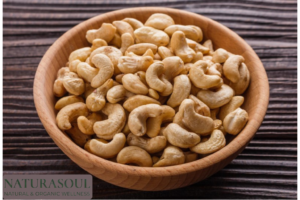
Cashews have a naturally creamy texture and mild flavour. They contain protein, unsaturated fats, magnesium, copper and other essential nutrients.
Benefits of cashews:
Provide plant-based protein.
Contain magnesium and copper.
Add flavour and texture to meals.
Work well in both sweet and savoury recipes.
How much to eat: Approximately 15–18 cashews (around 28–30g).
How to enjoy: Include them in trail mixes, homemade snacks or winter desserts.
3. Pistachios – A flavourful everyday option
Pistachios are another excellent addition to a varied diet. They provide protein, fibre, unsaturated fats and several essential nutrients.
Benefits of pistachios:
Contain plant-based protein and fibre.
Provide vitamin B6 and potassium.
Offer a satisfying crunchy texture.
Make a convenient snack option.
How much to eat: Approximately 25–30 pistachio kernels (around 28g).
How to enjoy: Eat unsalted pistachios or sprinkle chopped kernels over breakfast bowls and desserts.
4. Raisins – Small fruits with useful nutrients

Raisins are dried grapes that provide carbohydrates, fibre and minerals. Their naturally sweet flavour makes them useful in breakfast recipes and traditional Indian dishes.
Benefits of raisins:
Provide dietary fibre.
Contain potassium and other minerals.
Offer a convenient source of carbohydrates.
Add natural sweetness to recipes.
How much to eat: Around 1 tablespoon as part of a meal.
How to enjoy: Add raisins to oatmeal, kheer, breakfast cereals or homemade snack mixes.
How much dry fruit should you eat daily in winter?
Eating dry fruits can be part of a balanced diet, but portion control matters. Nuts are energy-dense, while dried fruits contain concentrated natural sugars.
Here is a simple serving guide:
| Dry fruit | Approximate daily serving |
|---|---|
| Almonds | 20–23 pieces |
| Walnuts | 4–7 halves |
| Cashews | 15–18 pieces |
| Pistachios | 25–30 kernels |
| Dates | 1–2 pieces |
| Raisins | 1 tablespoon |
| Dried figs | 1–2 pieces |
| Dried apricots | 2–3 pieces |
These are illustrative portions, not a recommendation to eat every item in these quantities daily.
For nuts, a serving of around 28g is a commonly used guide. For dried fruit, 30g is one adult fruit portion in the NHS 5-a-day guidance. Dried fruit is best eaten with meals because it can stick to teeth. Why include dry fruits in your winter diet?
Including a variety of nuts and dried fruits can help add important nutrients to your everyday meals.
Here are some reasons to consider them:
1. Nutritional variety: Different dry fruits provide different combinations of vitamins, minerals, fibre, protein and fats.
2. Convenient snacking: Nuts and dried fruits are easy to store and carry, making them useful for busy routines.
3. Energy between meals: Nuts and dried fruits provide energy through a combination of fats and carbohydrates.
4. Breakfast additions: You can add chopped nuts and dried fruits to oatmeal, yoghurt and breakfast cereals.
5. Recipe versatility: They can be used in desserts, traditional Indian sweets, homemade snacks and savoury dishes.
Easy ways to include dry fruits in your winter diet
You do not need complicated recipes to enjoy dry fruits for winter. Try these simple ideas:
Morning breakfast: Add almonds, walnuts and raisins to oatmeal.
Midday meal: Include a small portion of nuts alongside your regular meal.
Evening snack: Prepare a small homemade mix of almonds, cashews and pistachios.
Healthy dessert: Add chopped dates and figs to homemade desserts.
Smoothies: Mix dates and almonds into a smoothie for natural sweetness and texture.
Tips for buying and storing dry fruits for winter
Choosing good-quality dry fruits and storing them properly can help maintain their freshness and flavour.
Choose fresh-looking nuts without unusual odours or visible mould.
Check packaging, ingredient lists and expiry dates before purchasing.
Prefer unsalted and unsweetened options for everyday use.
Store dry fruits in clean, airtight containers.
Keep them away from direct sunlight, heat and moisture.
Follow the storage instructions provided on the product packaging.
Explore different varieties of dry fruits and nuts to create your own everyday snack combination.
Frequently asked questions about dry fruits for winter
Q1. Which dry fruit is best to eat in winter?
Almonds, walnuts, cashews, pistachios, dates, raisins and figs are popular choices. Each provides different nutrients, so including variety in your diet is useful.
Q2. Can we eat almonds every day in winter?
Yes, almonds can be included in a balanced daily diet. A serving of around 20–23 almonds is approximately 28–30g. Adjust the quantity according to your dietary requirements.
Q3. How many dry fruits should I eat daily?
There is no single quantity suitable for everyone. A small handful of nuts (around 28g) is a commonly used serving guide. Dried fruits should also be portion-controlled.
Q4. Which dry fruits are good for morning consumption?
Almonds, walnuts, raisins, dates and figs can be added to breakfast. You can combine them with oatmeal, yoghurt or cereals.
Q5. Should dry fruits be soaked before eating?
Soaking is optional. Some people prefer soaked almonds or figs because of their softer texture, but soaking is not necessary to enjoy their nutrients. You can also enjoy roasted almonds as a crunchy, flavourful snack in your daily winter diet without soaking them.
Q6. Can we eat dry fruits at night?
Yes, a small portion can be included in an evening meal or snack, depending on your preferences and dietary needs. Roasted dry fruits such as almonds, cashews and pistachios can be enjoyed at night
Q7. Are dry fruits suitable for children?
Age-appropriate portions can be included in children’s diets. However, whole nuts can pose a choking risk for young children. Choose safe textures and sizes according to the child’s age.

Best Dry Fruits to Eat in Winter | Benefits & Daily Quantity Guide
The best dry fruits for winter are almonds (badam), cashews (kaju), pistachios, raisins, dried Fruits snakcs. A common daily serving

Soaked Kishmish Benefits: How to Soak Raisins in Water Overnight (Simple Guide)
Soaked kishmish benefits are raisins left in clean water for 6 to 8 hours or overnight until they turn plump
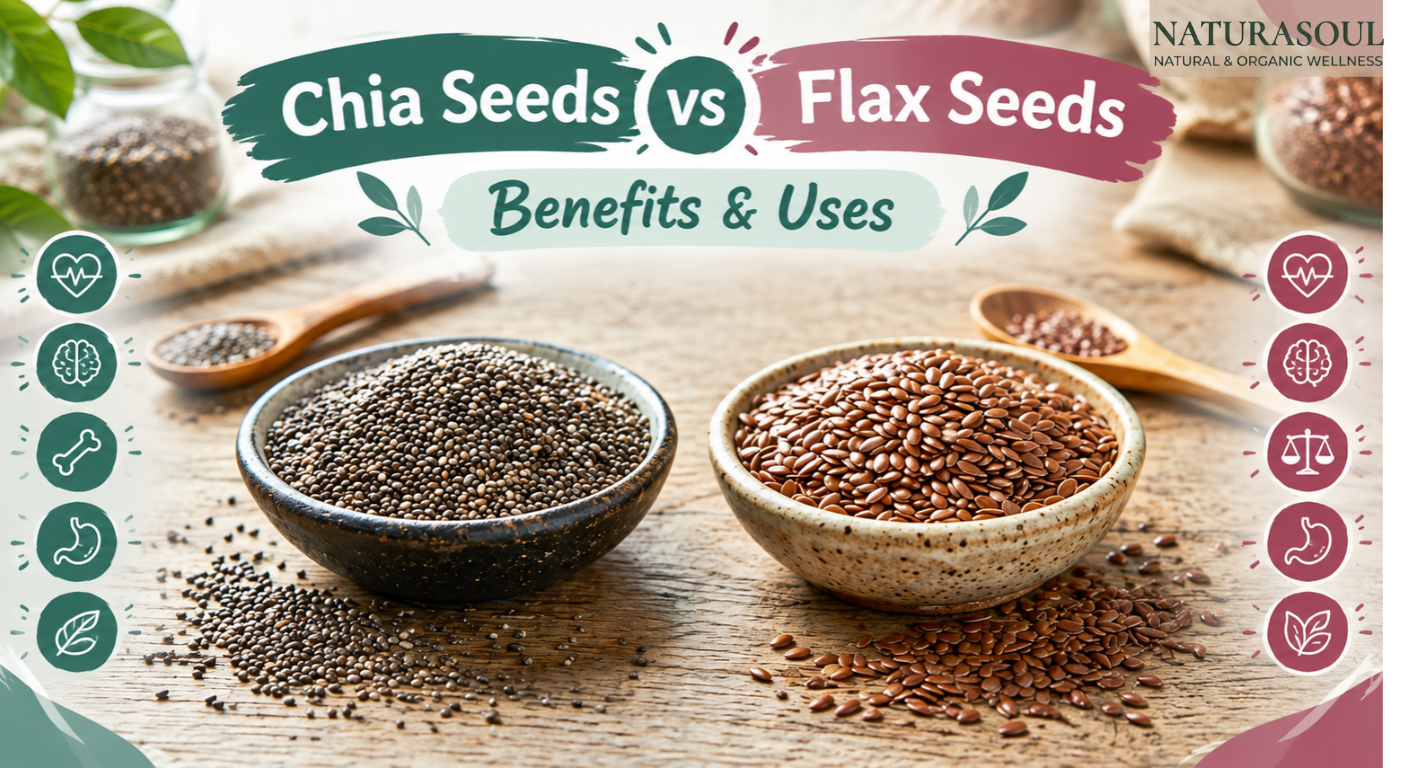
Chia Seeds vs Flax Seeds: Benefits, Uses & Which Should You Choose?
Chia seeds vs flax seeds is one of the most common questions in healthy eating, and for good reason. Both

What Is a Diet Mixture? Ingredients, Uses & How to Add It to Your Routine
A diet mixture is a ready-to-eat blend of seeds, nuts and dry fruits, packed with fibre, healthy fats and plant
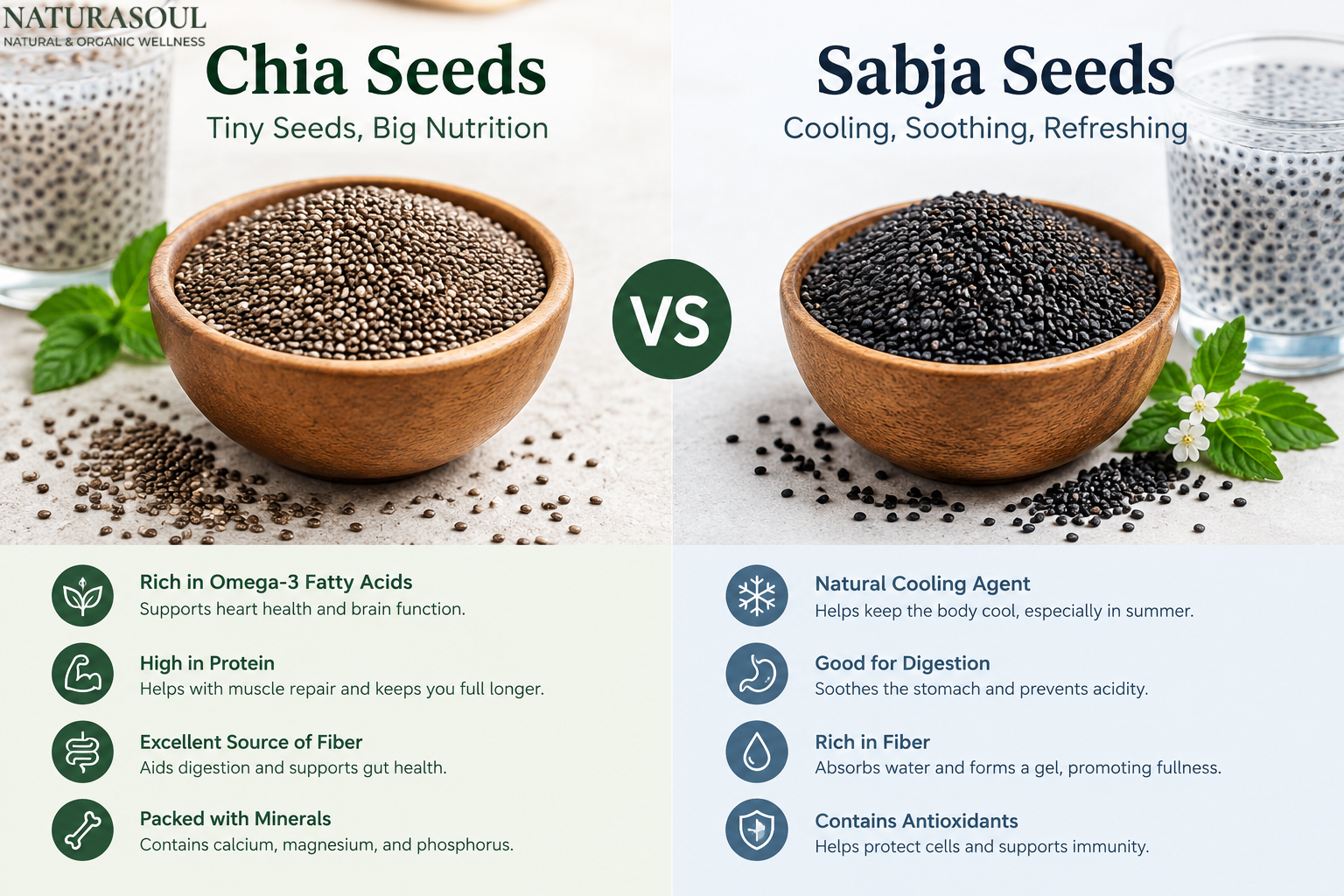
Chia Seeds vs Sabja Seeds: What’s the Real Difference?
Chia seeds vs sabja seeds (basil) look similar when soaked but come from different plants — chia seeds (Salvia hispanica)

10 Health Benefits of Eating Dry Fruits Daily for Energy & Nutrition
Eating a handful of dry fruits daily — like almonds, cashews, pistachios, and raisins — supports heart health, boosts immunity,